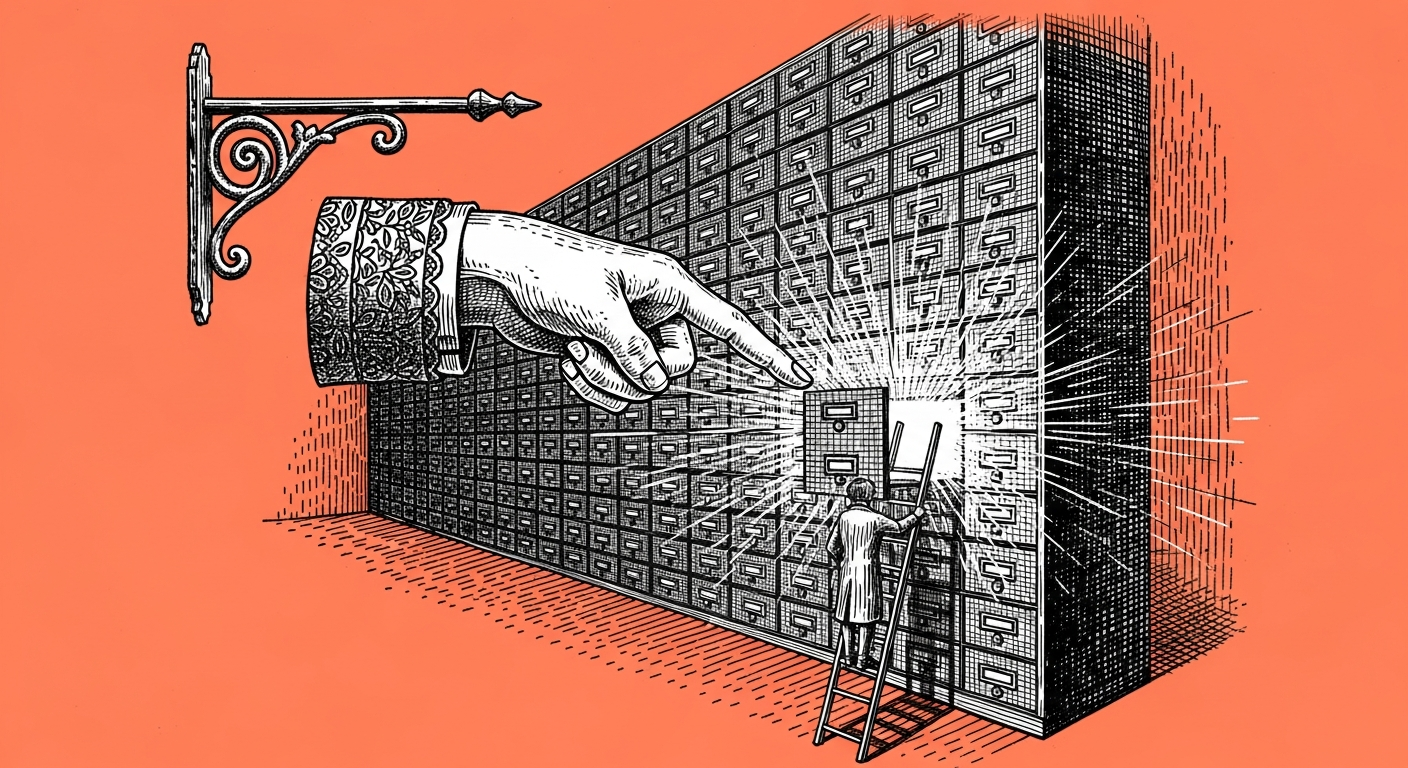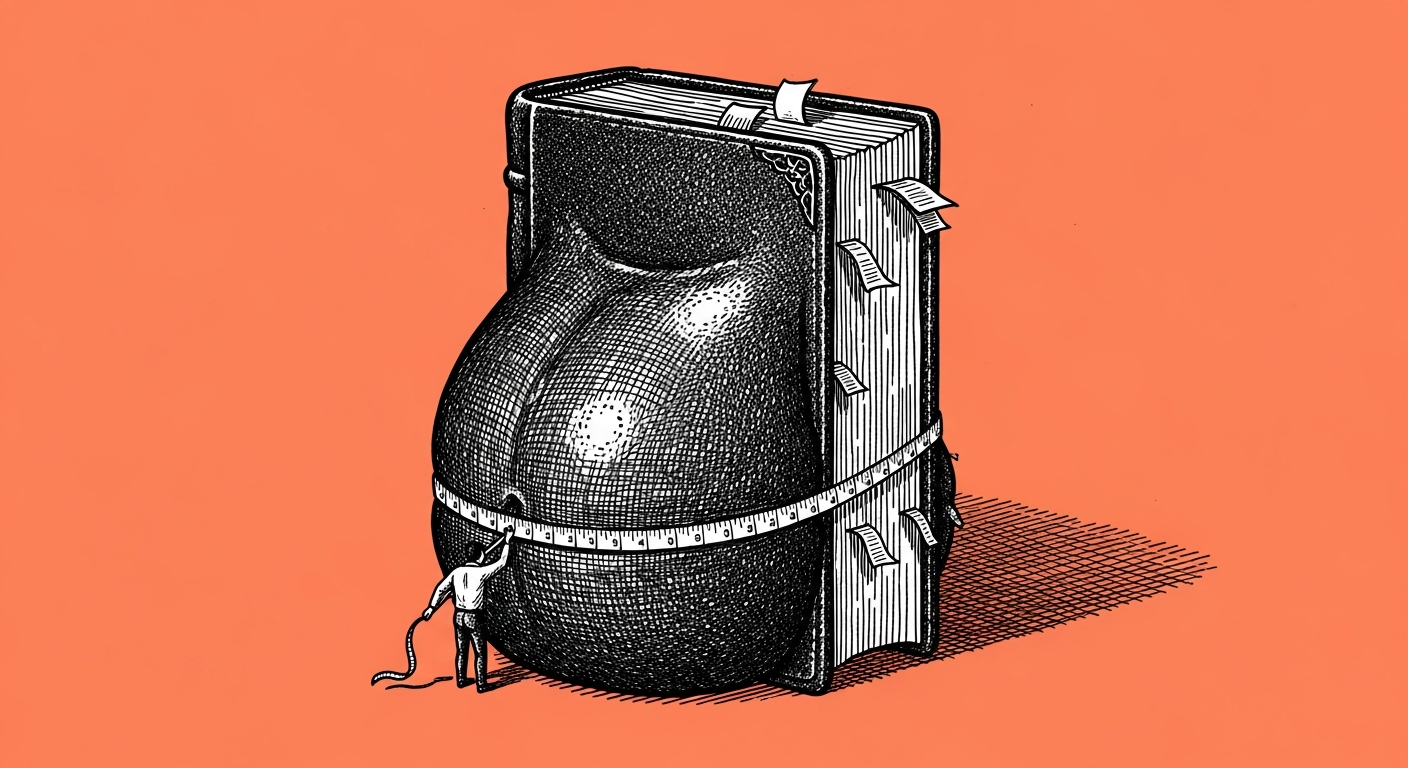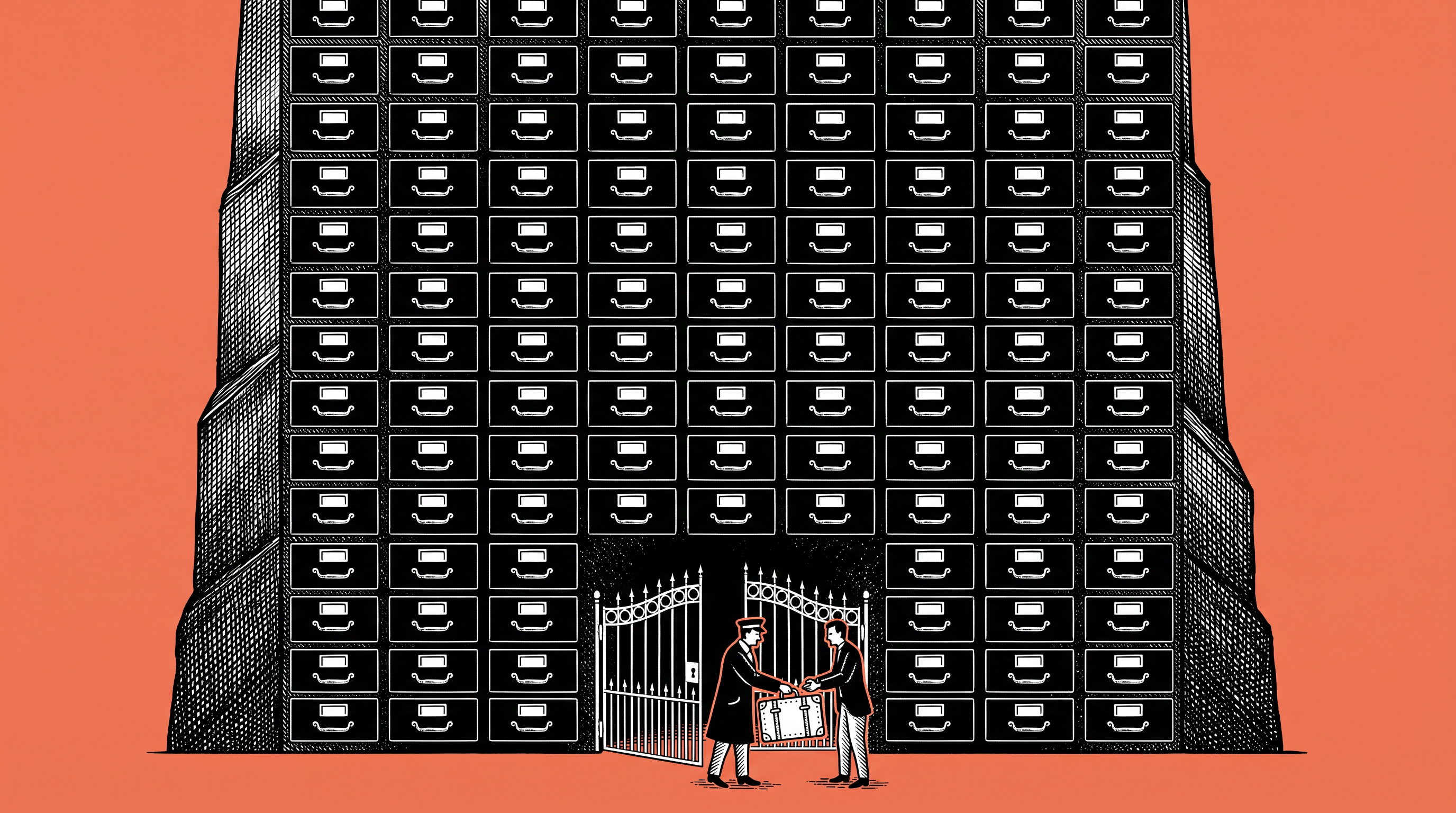
A new session carries none of the memory from the previous one, even if that conversation ran for hours. The fix is not dragging the full transcript forward, it is writing a short, focused handover before you close: only what the next session actually needs to pick up exactly where you stopped.
In the community I have seen several long time users land on the same habit on their own: before closing a long session, they filter aggressively for what actually happened, write a dated handover file with only the decisions made and the steps still open, clear the session, and paste that file in as the first message of the new one. The full writeup of the method has already been shared in the group twice, and people called it killer, fairly so, because that is exactly the difference between starting clean and starting loaded.
There are two layers worth separating in your head. One is the archive: everything that was said and tried, which belongs in ongoing records, not in working memory. The other is the operational summary: what actually has to sit in front of your eyes so you do not reopen a discussion that was already settled (and a handover file with no date in its name turns, within a week, into one more pile of old paper nobody is sure is still relevant).
There is also a counter approach in the community, fully legitimate: close sessions without manually documenting anything, and let memory live inside the system itself, in fixed files every session reads fresh, so there is nothing to hand over because nothing was ever supposed to live only inside the conversation. Both approaches work, and the only real difference is where you put the effort: writing a summary at every close, or building the system once (and if you ask me, it is like choosing between packing a small bag before every flight or living somewhere that already has everything, two excellent strategies that simply serve different kinds of trips).
A prompt, on the house
I want to close a long session and hand the next one only what it actually needs.

Help me write a short handover summary that includes:
1. What was actually decided in this session (not everything discussed, only what was settled).
2. Which steps are still open and waiting to continue.
3. Which file or external resource the next session needs to open to understand the context, without me pasting in the whole conversation.

Give me the summary in a short format I can paste as the first message of the new session.
The simple test: if you find yourself scrolling back to remember why you even started, the summary is too short or was written too late. The moment the new session starts working from the first line without asking clarifying questions, you have found the right balance.