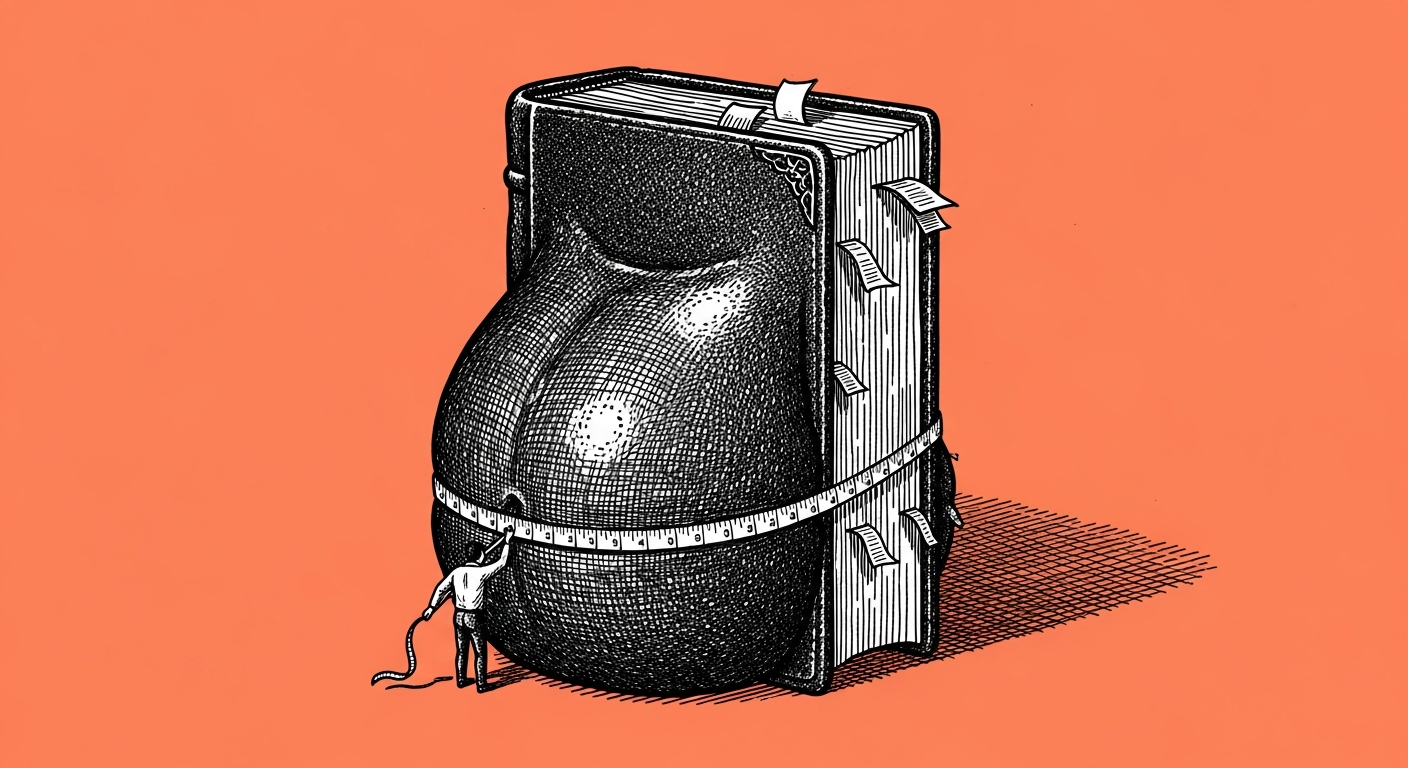
There is a simple mechanical explanation, and it has nothing to do with a fault in the agent: the file crossed the read cap. When a memory file swells past the ceiling of the read tool (in our community we measured a 2,125 line file weighing 43,000 tokens, while the read itself stops at roughly 25,000), the bottom half simply does not load, and the agent answers with full confidence out of whatever did make it in.
The symptom is almost always the same: the agent forgets something written in front of it in black and white, or it repeats information from the top of the file and ignores the end, as if it read only the first chapter of a book and claimed it finished the whole thing.
The diet is three moves, and all of them are organizing, not deleting. First, an index: you split the fat file into a short table of contents at the top, one line per topic, and each topic moves out to its own small separate file that the index points to, so the agent reads the map first and pulls only the section it needs right now. Second, one session equals one task, so the history file does not swallow a whole month of conversations on every load. Third, once a month you sit for ten minutes and move old lines into an archive, so the living file stays lean while the memory itself keeps existing on the side.
With us, our central identity file dropped from 1,309 lines to 218 in a single diet session, without losing a single decision, just by clearing out what nobody was reading anymore. A community member who documented a diet like this cut forty five percent off the load of every session open. If someone feels that a two hundred dollar subscription lasts them two days, it is worth checking the files before considering an upgrade, because a lot of the time it is not that usage got pricier (a wink), it is a fat system reading the same giant files over and over on every turn.
The rule I work by is simple: memory is a shelf, not a pile. A tidy shelf lets the agent land exactly on what it needs, and a pile forces it to dig until it runs out of air halfway through.
A prompt, on the house
Here is a memory file that got bloated and heavy. Split it without deleting any content:
1. Write a short index at the top, one line per topic.
2. Move each topic out to its own small separate file that the index points to.
3. Keep every word, just reorganize.

At the end, tell me how many tokens the main file shrank by,
and flag any lines untouched for three months as archive candidates.