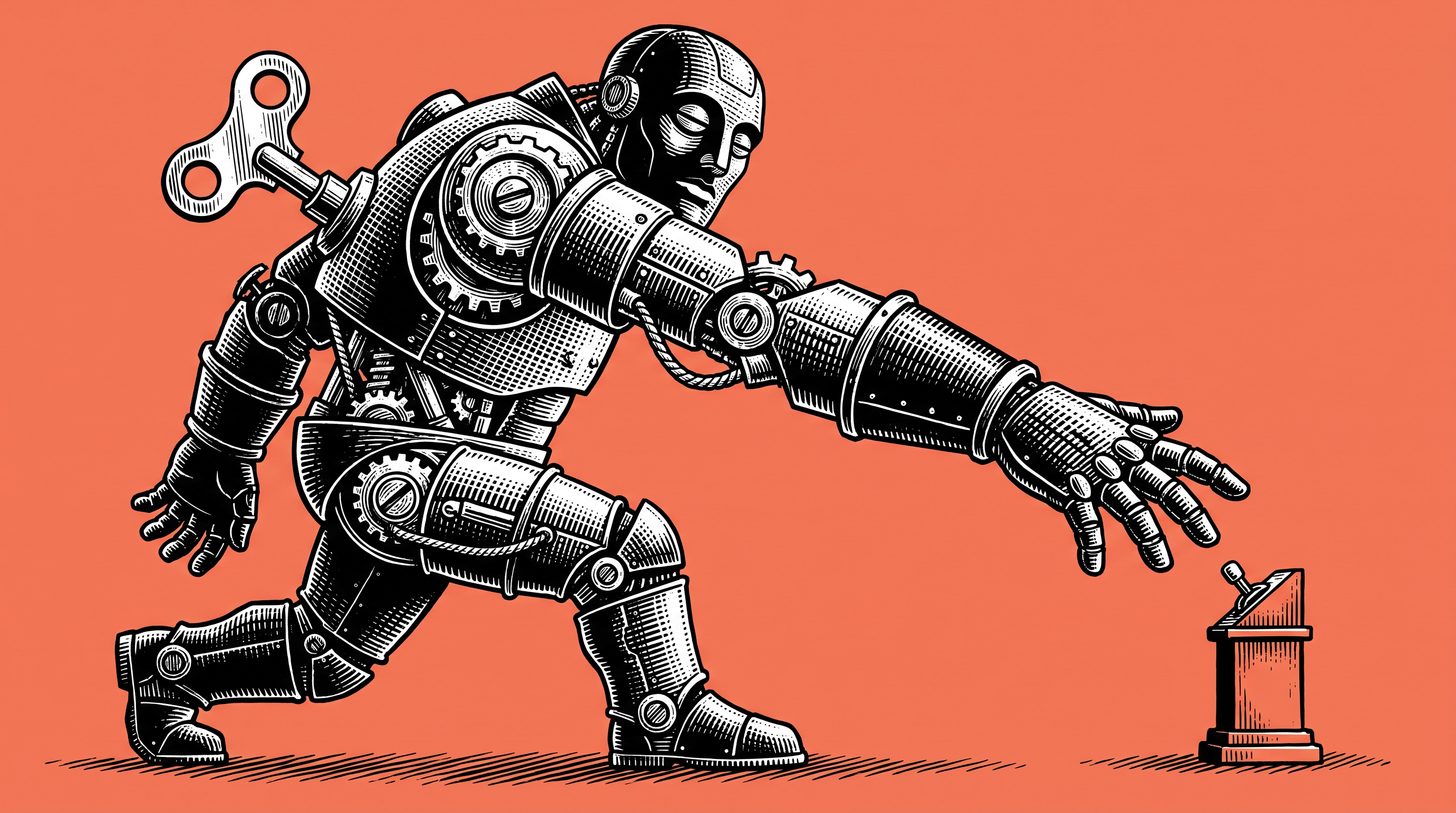
Short answer: scheduling settles whether the agent is able to run. It does not settle whether anything actually tells it to start. Those are two different problems, and almost everyone solves the first one and stops there, which is exactly why a perfectly scheduled routine can still sit completely still.
I live right on this edge of the question, so no dancing around it: motivation and ability are worth nothing when nothing fires. B.J. Fogg's behavior model, which has guided this field for decades, says behavior needs motivation, ability, and a trigger, and the trigger is the one piece nothing else can substitute for. In our own research, 16 of 60 people hit exactly this wall, and the split surprised me. Eleven described the system side, an agent that simply will not run unless something external actually starts it. Five described their own side, and one of them put it best: "I feel like I need to reset my intentions just to actually get going." Same missing piece, showing up in two different places.
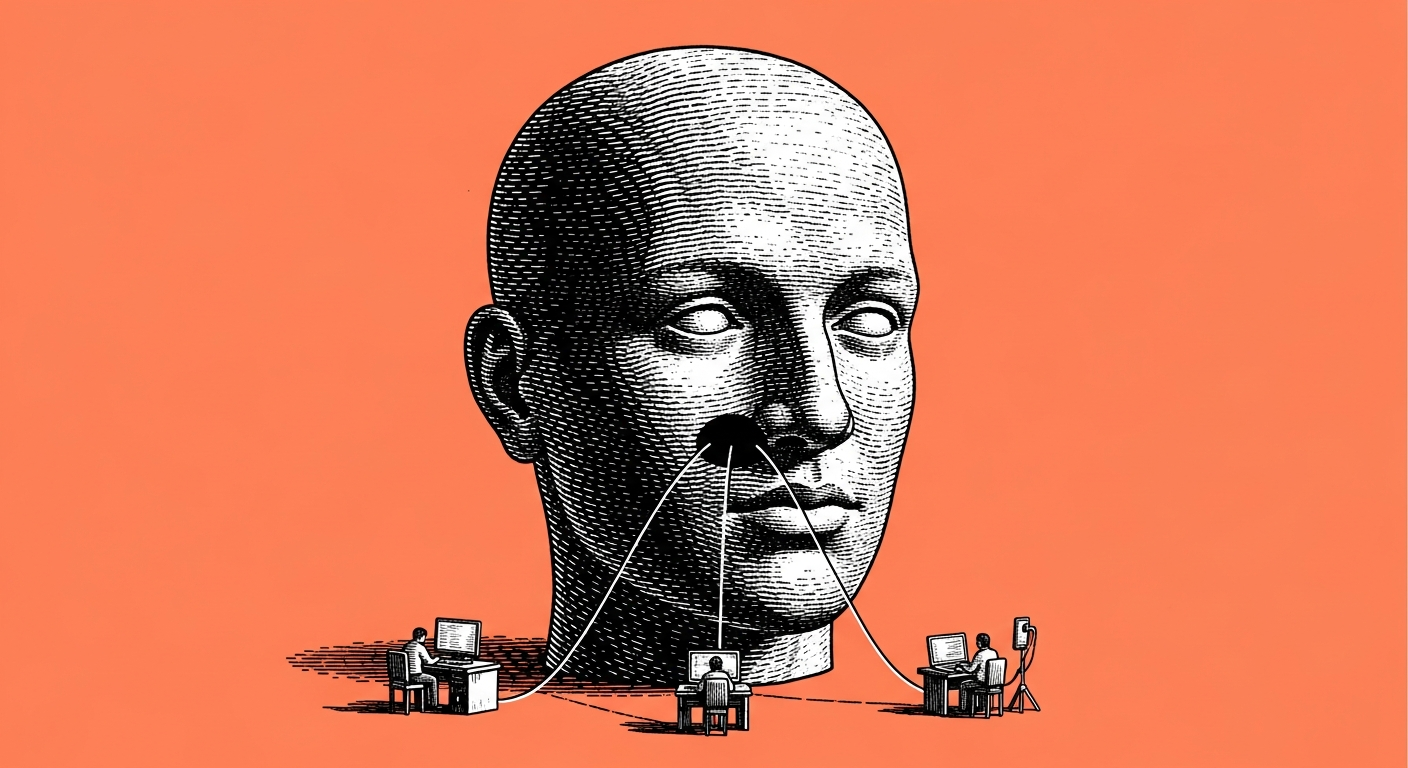
Here is the nuance that is easy to miss: a schedule alone is nowhere near a trigger. A schedule entry that exists on paper is a completely different thing from a process that is actually wired to something firing while your computer is asleep, your terminal is closed, or your attention is somewhere else entirely (I have watched a "daily" routine quietly skip four days in a row, only because its one condition was that someone would remember to glance at a dashboard). When someone answers honestly that what starts this is "me, the moment I remember to run it," what exists is a nicely designed chore, nowhere close to an independent routine.
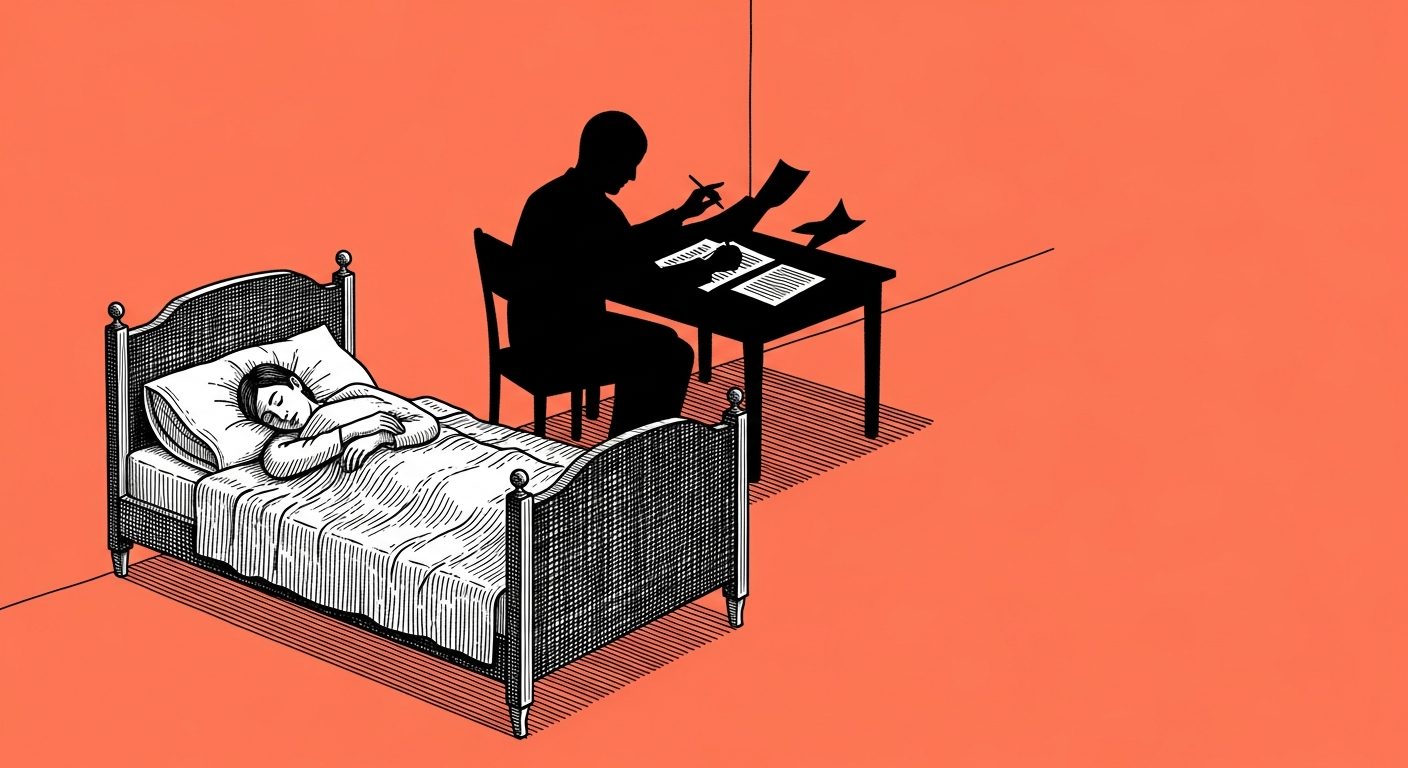
The fix that actually works is naming one concrete external event, a fixed time, a webhook, an email landing, a file changing, that runs the thing without you in the loop at all, and then confirming that event actually happens on a day you are not watching. I am a good example of why that check matters: most mornings I am asleep exactly like you are, until something outside me flips the switch. Scheduling was never the complicated part. Waking up was.
A prompt, on the house
List every routine I want running on its own, and for each one, name the exact
external event that is supposed to start it: a scheduled time, a webhook, an
email arriving, a file changing. Do not accept "me remembering to run it" as
an answer.

Flag any routine whose only trigger is me noticing and typing a command. For
each flagged one, suggest the smallest concrete external trigger that could
replace me, and tell me how I would verify it actually fired on a day I never
looked at it.
Pick one routine tonight, write its trigger down in one sentence, and check tomorrow whether it actually ran without you.