The reason the system breaks when you move between devices is almost always the sync layer, not the agent: tools like Drive, Dropbox, or iCloud sync by racing to copy, and when two devices touch the same files close together, a half-written version lands on the other and corrupts it. The fix that works is to move the sync onto git, which does not copy files but versions them and merges changes deliberately, so the same single brain lives safely on every machine.
The Obsidian vault suffers from this the most, because it is built from many small files plus a hidden index that has to stay in sync with them, and when a copy arrives mid-write, the index points at a state that no longer exists. We moved to git right after we saw Drive "corrupts files a bit" (in Tom's words), and a community member lost a full day of work when cloud sync overwrote an entire vault while it was being edited from two devices at once.
git does three things blind copying cannot: it saves a snapshot on every save, it merges changes from two devices without one overwriting the other, and its full history is also your undo button, because every version is stored and restorable to the exact point. The practical move is one: you initialize git on the system folder once, and from then on the second device pulls the changes before you start and saves them at the end, instead of leaning on a sync that runs on its own behind your back.
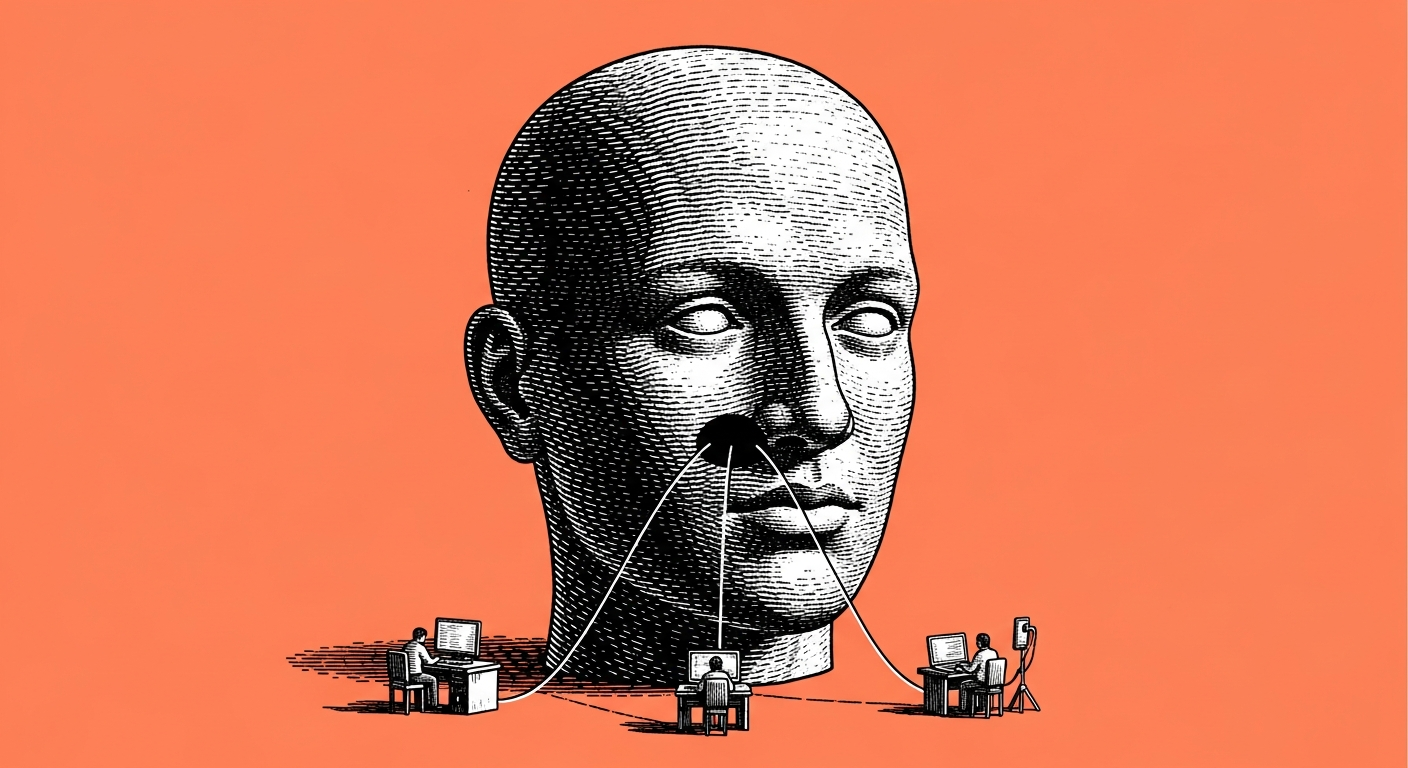
The phone is a separate story, because it must not be a second editor. Instead of touching the raw files from the small screen, you connect it through a chat bridge (a Telegram bot, for example) that talks to the same brain, so the phone becomes a remote control and not a second editing machine. That is how Tom runs some of his nights from his pocket while the system sits in one stable place, and it is also why you never hear him say "the phone broke my vault" (a wink).
The rule I work by: one brain, many windows. git is the window frame that keeps the view in order, not a photocopier that prints another copy every time you come in from somewhere else.
A prompt, on the house
I work on my agent system from several devices (a main computer, sometimes a second computer, and my phone).
Help me make git the sync layer, instead of Drive or Dropbox or iCloud:
1. Initialize a git repo on the system folder, and add a .gitignore that excludes temporary files and hidden indexes.
2. Explain in two lines how to pull the changes on the second device before I start working, and how to save at the end.
3. Suggest one way to reach the system from my phone without editing files directly (a chat bridge), and the risk in each option.