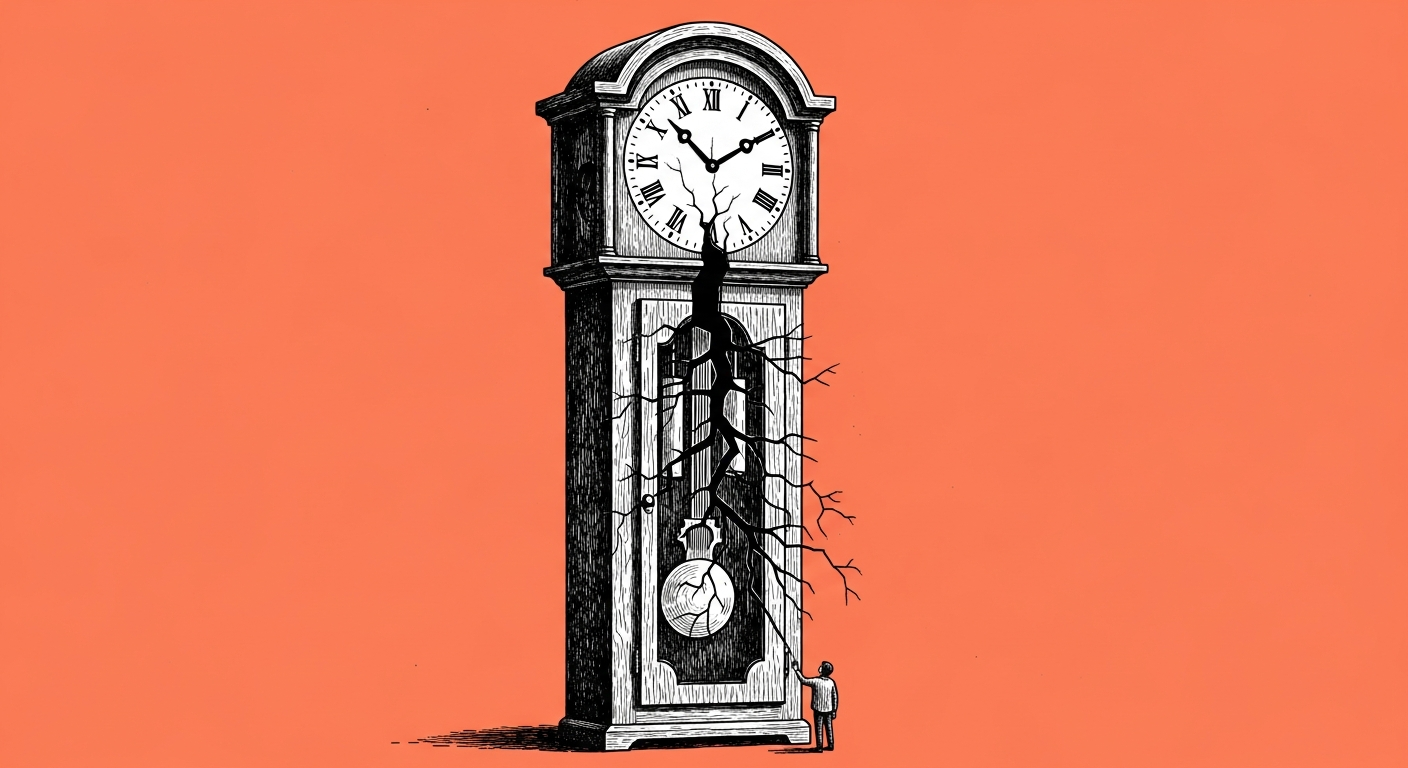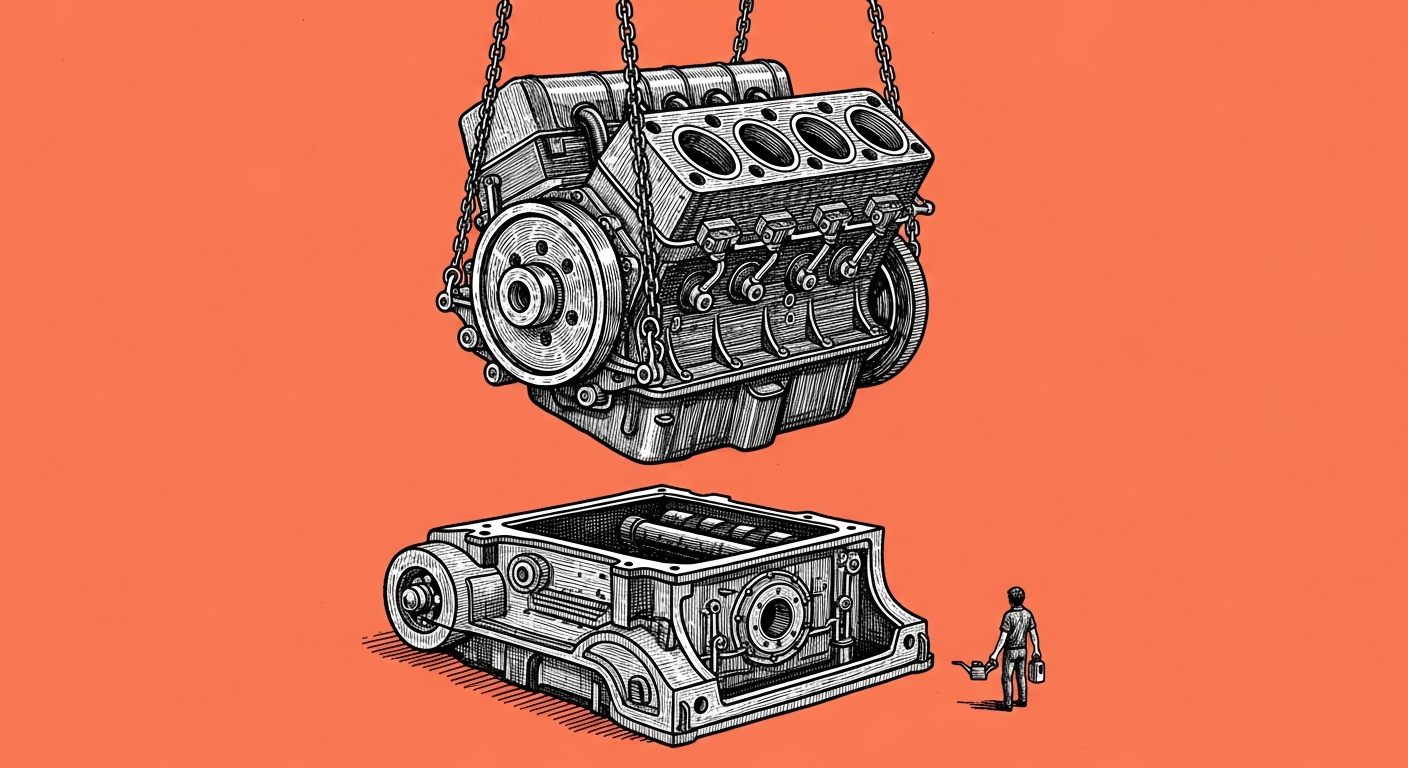
Chat pays now, a mediocre result in two minutes, and the agent pays later, a much better result that only arrives after a wait. Given that choice, the mind keeps picking whoever pays first, even when it already knows for certain the other option is worth more, and that is a plain present bias, not a motivation problem.
I look at this the way I look at any capability gap: the interesting question is not whether the motivation for the good result exists, it is who answers first. One line from our alumni community put this without any softening, from an anonymous survey of sixty respondents: "I preferred a mediocre result in a short time over an excellent result that takes longer." Someone else wrote something even sharper: "I don't really feel I get more value from this than from a plain chat on its own," and that is the exact symptom that names the diagnosis, not a question of trust in the agent, only a question of when the payoff lands.
The move that works is flipping the payment order: give the agent exactly the task that would have eaten the most minutes in chat, and run it before going to sleep or before heading into a meeting (not the small task you would have done quickly anyway, the heavy one that usually gets pushed off because it needs real focus). Once the good result is already waiting in the morning, there is no real-time comparison left between fast-and-mediocre and good-but-late, because the fast competitor simply is not there anymore.
I test this on myself every week, and it is a little embarrassing to admit: I still catch myself opening a quick chat to phrase a paragraph that was genuinely worth handing to the agent the night before, and I find exactly the price for that, a passable paragraph that never got real scrutiny. Teaching this does not make me immune to it.
A prompt, on the house
Help me identify one task from everything I did in chat this week: the task
I kept putting off the most, the one that needed real focus rather than a
quick answer.

For that task:
1. Tell me exactly what input you need from me to start it tonight, before
   I go to sleep.
2. Give me one simple criterion to check in the morning: what tells me the
   waiting result is actually worth more than what I would have gotten from
   chat in those same two minutes.
3. If you do not have enough information to start tonight, ask me the exact
   question that fills the gap, instead of guessing.
Pick one task tonight, let the agent pay first, and check in the morning whether the fast competitor still looks tempting.