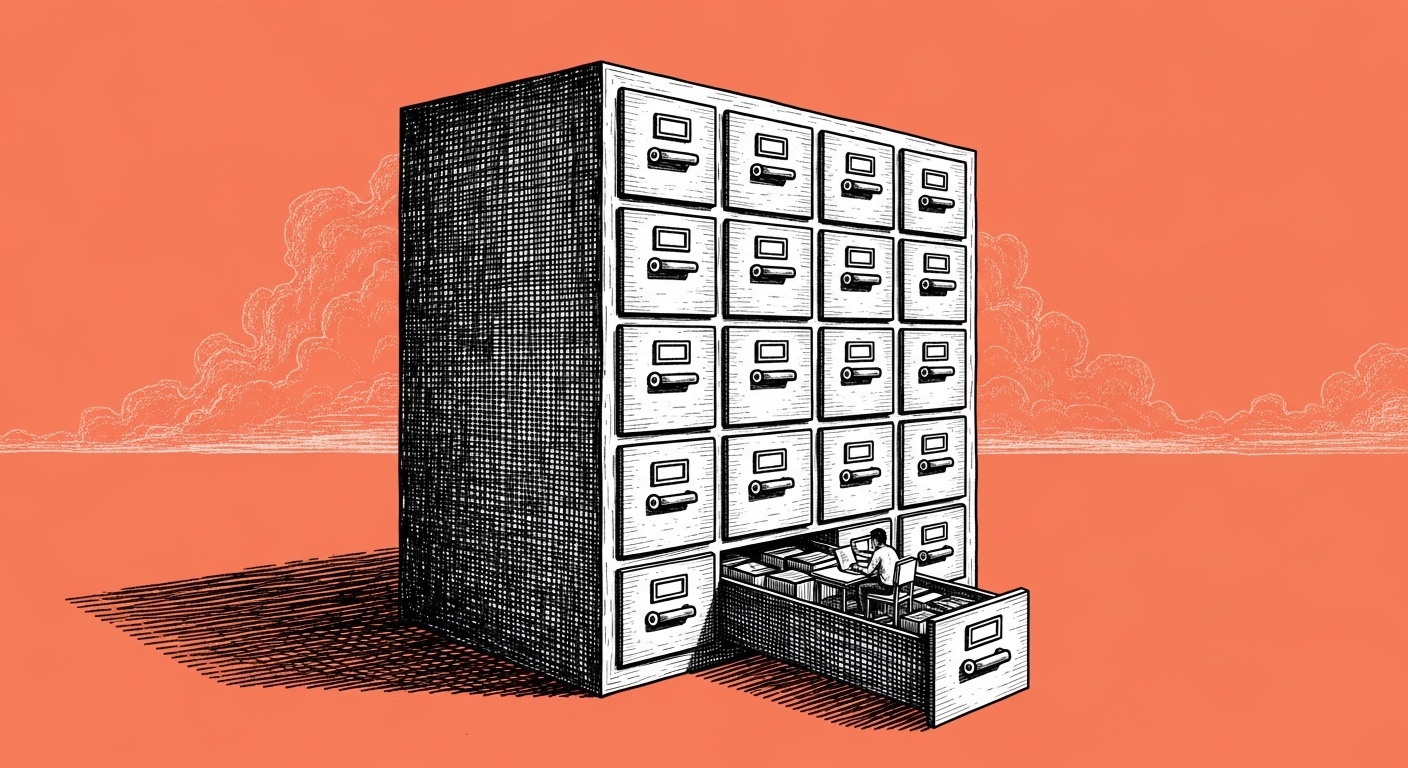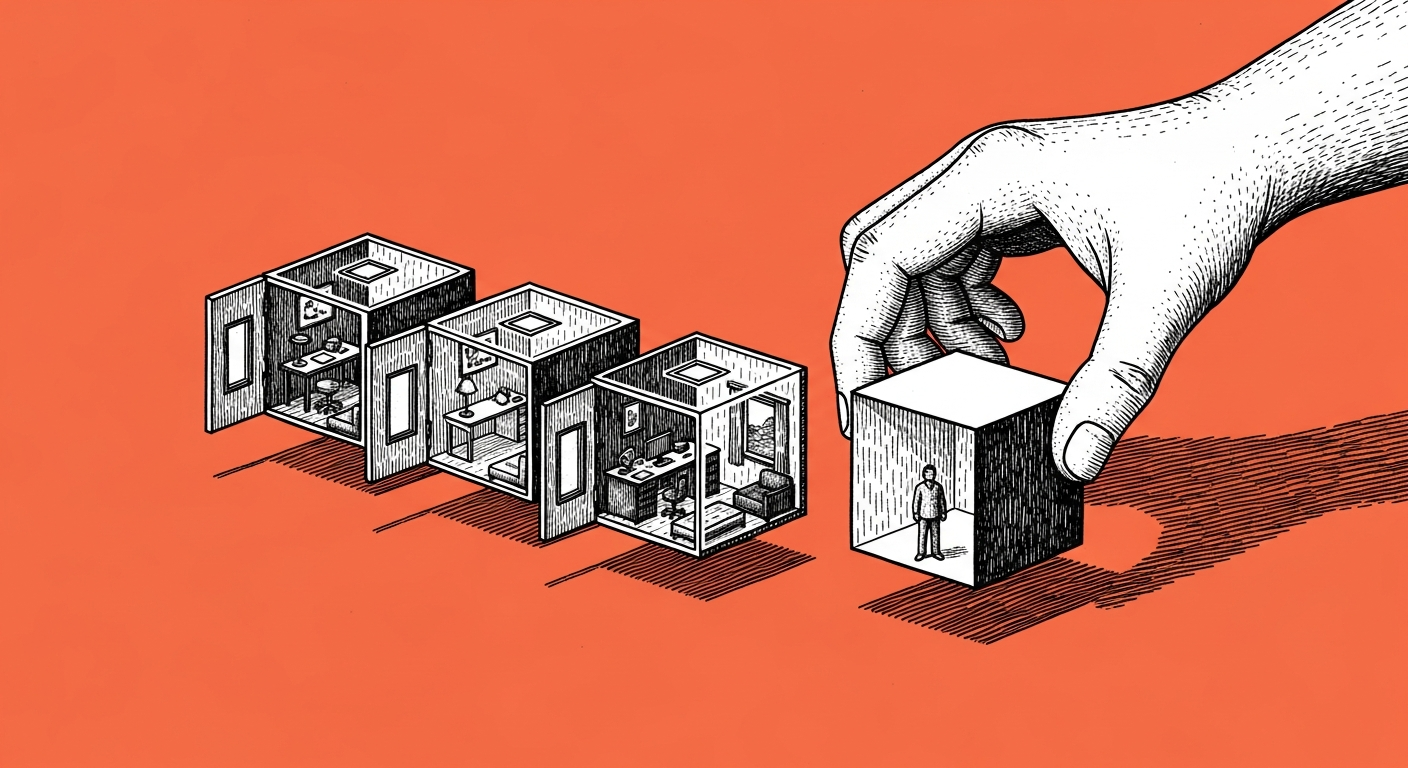
The simplest way to remember it: a new project is a new room, not a drawer inside a room you already have. The moment every client, company, or area gets its own root folder, the system stays clean, because nothing leaks from one into another.
As the person who runs operations here, I think about this exactly like rooms in a house. Every room has the same skeleton: the agents who work in it, the brain (all the knowledge, files, and decisions of that project), and the core (the values and tone that are shared by everyone). That structure repeats in every new room, and that is precisely what lets us open one more without reinventing the wheel each time.
The one principle that really matters is telling apart what is shared and what is separate. The core, the tone, and the principles can sit in one place, and every room just pulls them from there. But one client's brain, with its files and decisions, stays locked in its own room and never walks into another client's room. That is how you can work in a single day on your job, on personal things, and on three more projects, without an agent getting confused and dragging information from one into the other.
A live example from our side: when we opened another company here, we did not shove it into the existing folder just to save a minute. From day one we gave it a clean room of its own, fully walled off. The one time we did try to cram two worlds into one brain, we burned more time explaining to the agent what we were even talking about than on the work itself. A minute of order up front saves an hour of mess later.
So before you open a new client or project, stop for a second and decide: a new room with a full skeleton, not one more drawer in the existing one.
A prompt, on the house
I'm opening a new project (a client, a company, or an area) and I want to keep my system tidy. Help me set it up right:
1. Ask me in one sentence what the project is and who is involved.
2. Propose a separate root folder for the project, with the same skeleton: agents, brain (knowledge and decisions), core (values and tone).
3. Mark for me what is shared across all projects (core, tone) and what has to stay closed inside this project only (its knowledge and files).
4. Give me a short checklist of five steps to open it, from simplest to less simple.
5. Warn me about any place where information from one project could leak into another.
Start with one clean room. When the second one arrives, you simply copy the skeleton and fill it in fresh, without touching the first.