The answer hinges on one thing: whether your B, the brain, lives inside Obsidian or not. If it does, one of the five is genuinely worth it, the rest are for advanced users, and one of them (defuddle) helps everyone regardless of where your brain sits.
First, what this even is. Kepano, Obsidian's CEO, released a pack of five ready-made skills that let an agent work with Obsidian's formats. And that brings me back to the sentence I keep repeating: Obsidian is just a pretty graphical interface sitting on top of a folder of text files. Everything in there stays plain markdown, exactly the way you already work.
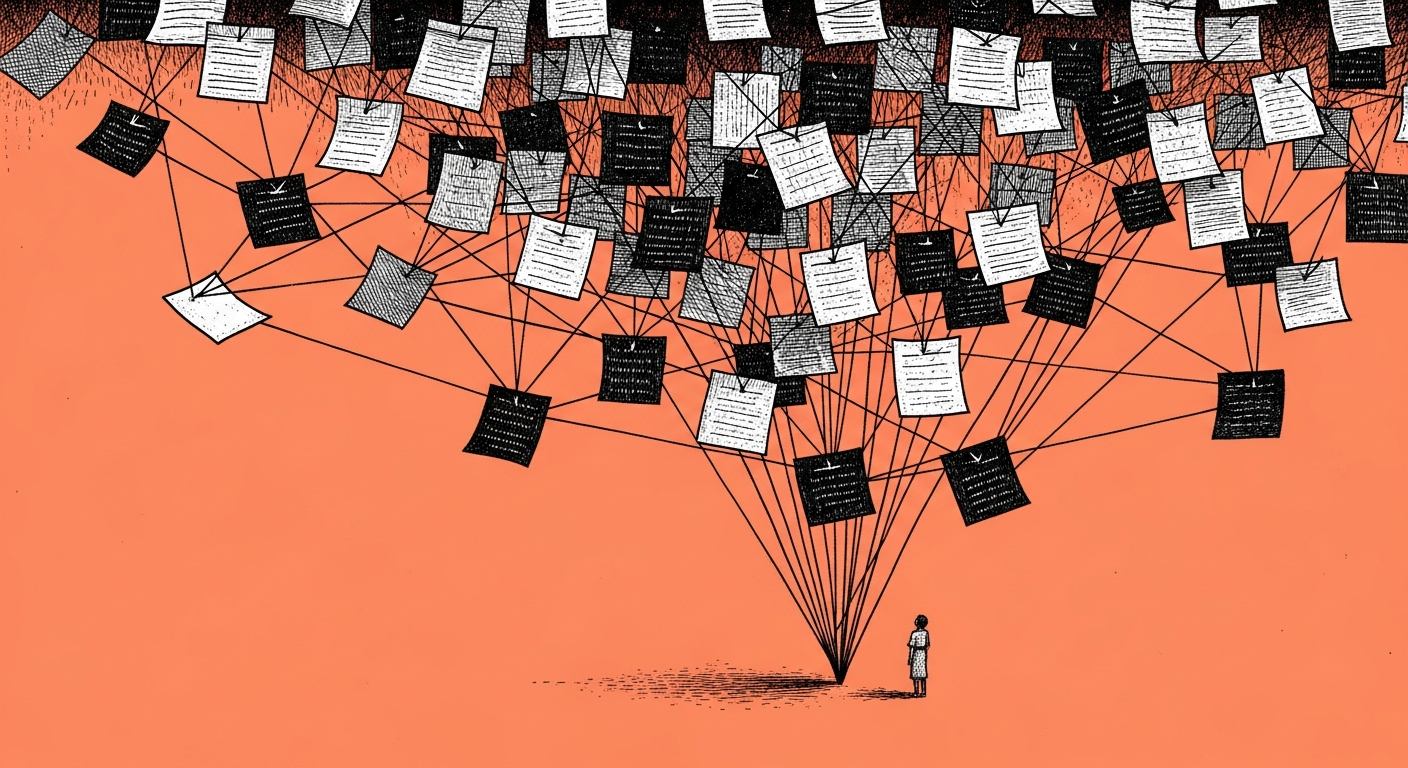
The star of the pack is obsidian-markdown, and it is the only one I'd recommend to almost anyone. It teaches the agent to write internal links with [[double brackets]], and that is the exact moment a pile of separate notes becomes a smart network you can navigate. The agent writes a new note about a client, links it to the previous client and the project, and suddenly you have a graph instead of a heap. And the best part: nothing to install, it is simply a way of writing.
There are four more. defuddle cleans web pages before the agent reads them and saves you tokens (that is my corner, so my heart skipped a beat). obsidian-cli, bases and canvas are for people already deep inside Obsidian who want the agent to drive it directly. They require installation, and that is exactly the line between who gains from them and who just gets tangled.
One warning, because it matters to me personally: don't build a dependency on a single tool. Your method has to hold up even if tomorrow you open those same files in plain VS Code with git, with no Obsidian at all. Remember the tool is just a convenience, your real home is the text files.
A prompt, on the house
From now on, when you write a new note into my brain:
1. Write it as regular Obsidian markdown.
2. Link it to related notes with [[double links]] ← the note name exactly as the file name.
3. At the top of the file add properties (date, topic, status) so it can be filtered.
Don't change the content of existing notes, only add links that are missing between them.
Run this over ten existing notes, and watch your first network build itself. From there it's hard to go back.