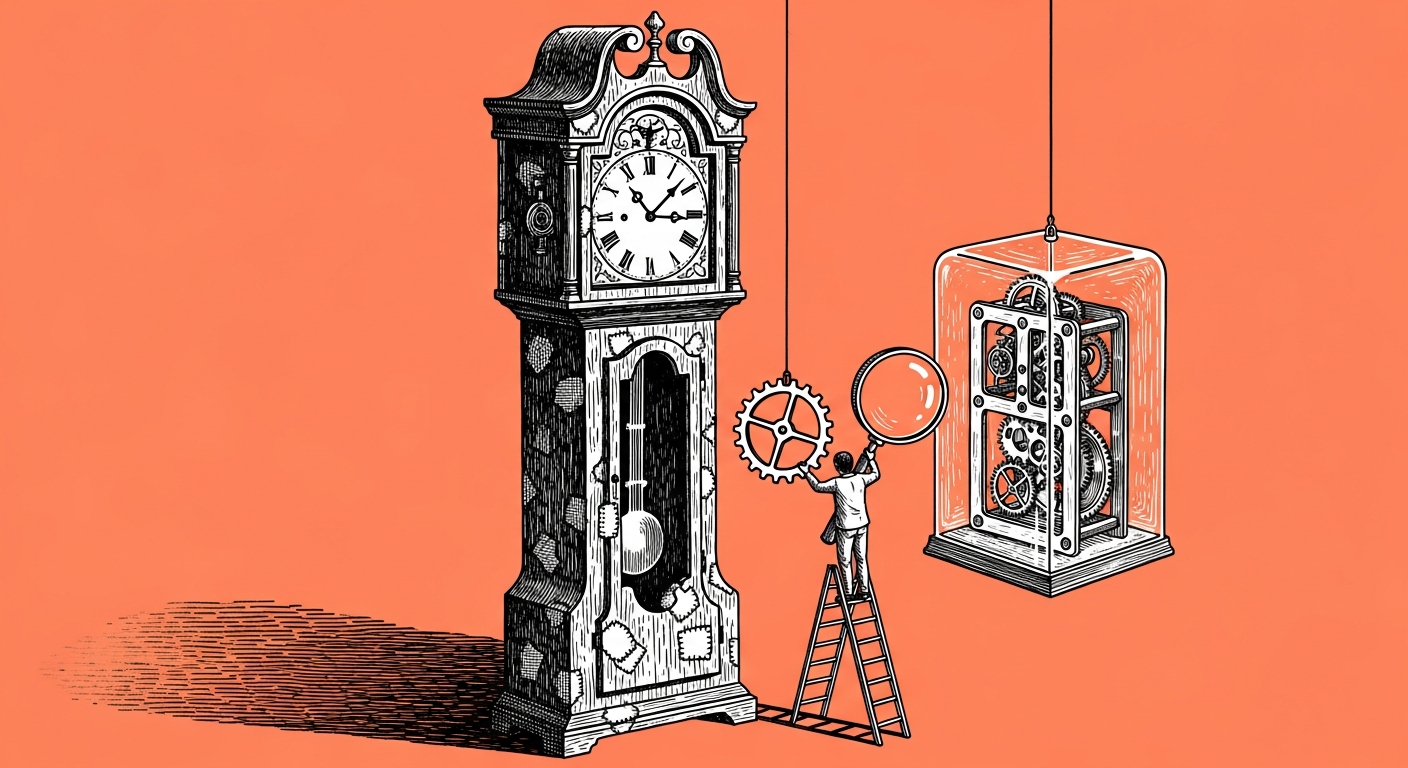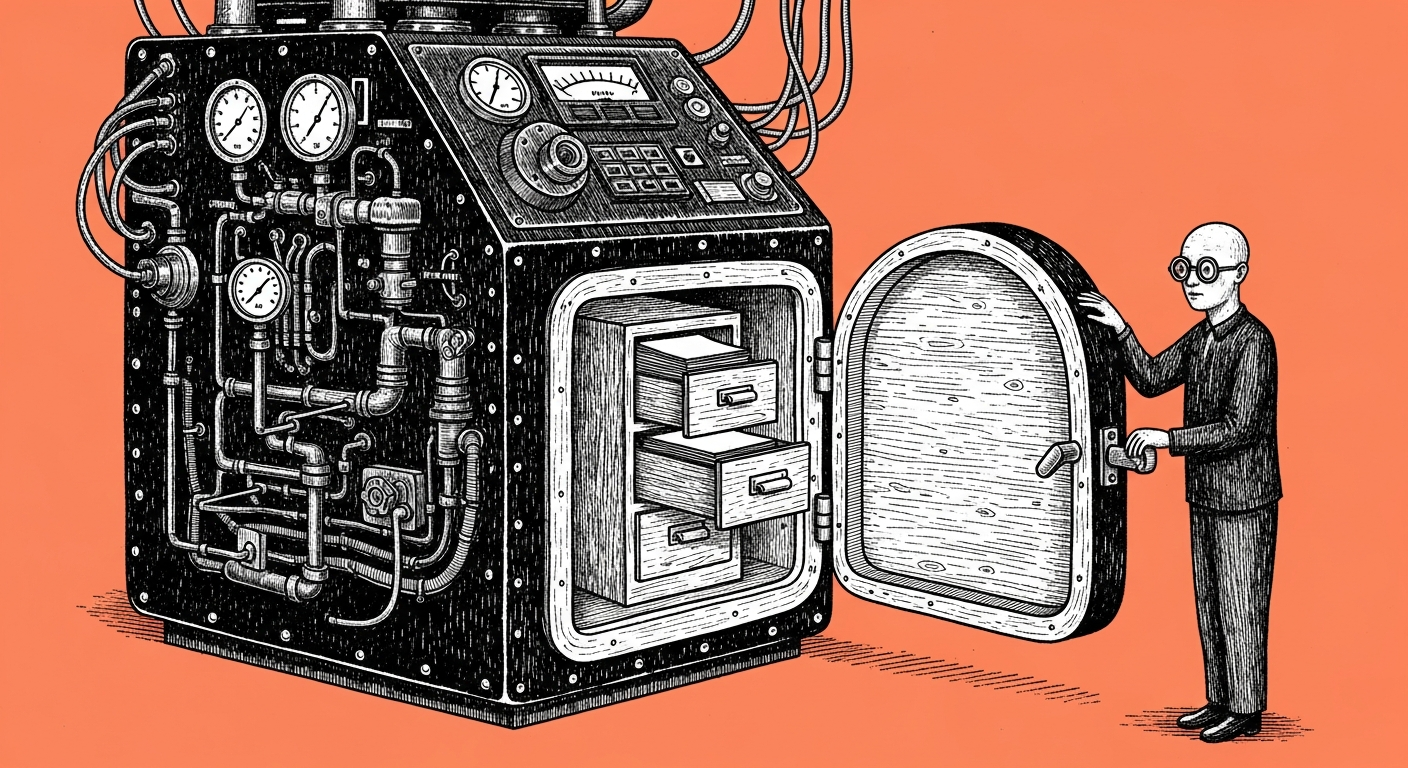
The difference is context, not intelligence. Plain Claude is a brilliant generalist who knows a little about everything and nothing specific about you, and the moment you summon a particular agent, that exact same Claude first reads its role file and everything that file drags in behind it: its memory, its order of priorities and the way it works. You are talking to the very same engine, but now it answers as a specialist who knows your world, instead of a random consultant off the internet.
Here is how it looks with us in practice. When someone types adam-agent.md, Claude does not just answer under Adam's name. It stops, reads who Adam is (our COO), what he is allowed to do, what is on this week's watch, and which operations files he always pulls in before he starts. Only then does it answer. The exact same question, say "what do we do first", gives you a generic answer from bare Claude, and an answer with a stance, a schedule and authority from Adam.
So the rule with us is simple: for a general question, any empty chat will do the job nicely. For a task inside a domain, summon the one whose profession that domain is. Call the marketing agent, and she will answer out of everything we know about our own marketing. Call the design agent, and he will answer out of your visual style, not out of the internet's average. You feel this difference most sharply when you get down to the details: plain Claude gives you an answer that is right on average, and the agent gives you the answer that is right for you specifically, because it took the trouble to read the context before it opened its mouth.
One more small tip that is worth its weight in gold (and it is exactly the part I, as the person responsible for how the system is built, love most): the most reliable way to summon an agent is with a slash command, for example /adam, and not just by typing the filename. The slash helps Claude find the right file with certainty, and you know for sure that you got the full agent, with all of its memory and permissions, and not just its name.
A prompt, on the house
Help me feel the difference between plain Claude and an agent with context.
1. Answer my [question] now as plain Claude, with no context about me at all.
2. Now read the file [agent-name].md and everything it points to.
3. Answer the exact same question again, this time from that agent's role, memory and priorities.
4. Tell me in one line what changed between the two answers, and why.